Exploring the cultural significance of gambling across different societies
The Historical Roots of Gambling
The origins of gambling can be traced back thousands of years, with evidence found in ancient civilizations such as China, Egypt, and Rome. These societies utilized various forms of gaming, not only as a means of entertainment but also as a way to bond, showcase status, and even predict future events through games of chance. The practice of gambling was often intertwined with religious and cultural beliefs, reflecting a society’s values and norms. Today, many players turn to platforms that feature aus online pokies as part of this rich tradition.

In many cultures, gambling was considered a rite of passage or a communal activity that brought people together. From the ancient Chinese playing dice during festivals to the Romans hosting betting events during gladiatorial games, the act of wagering has been a significant social activity, serving both recreational and ceremonial purposes. This rich history continues to influence modern gambling practices around the globe.
The Role of Gambling in Social Structure
Gambling often plays a crucial role in shaping social dynamics within communities. In various cultures, it can signify wealth and power, offering individuals a chance to improve their social standing through luck and skill. For example, in some Indigenous cultures, gambling games have historically served as methods of negotiation and conflict resolution, reinforcing community bonds through shared experiences.
Conversely, gambling can also highlight social disparities, as access to gaming opportunities often reflects economic conditions. In many societies, those with more resources can engage in higher-stakes gambling, potentially leading to a wider gap between different social classes. This duality showcases gambling’s ability to both unite and divide, making it a fascinating topic for sociocultural exploration.
Cultural Variations in Gambling Practices
The ways in which gambling is perceived and practiced can vary significantly across different cultures. In some societies, gambling is celebrated and integrated into festivities, while in others, it may be viewed with suspicion or even outright prohibition. For instance, in parts of Asia, games like Mahjong and Pachinko are not only leisure activities but also cultural staples that symbolize community and heritage.
Conversely, Western societies may approach gambling more pragmatically, with a focus on economic benefits and entertainment value. The rise of casinos and online gambling platforms has transformed the gambling landscape, leading to new cultural narratives that emphasize risk-taking and personal responsibility. These variations underscore the adaptability of gambling practices, influenced by local customs, legal frameworks, and technological advancements.
The Impact of Technology on Gambling Culture
Advancements in technology have significantly reshaped the gambling experience, introducing innovative platforms and accessibility. The rise of online casinos and mobile gaming has made gambling more widespread, attracting a diverse audience from various backgrounds. This technological shift has not only increased participation but also altered the way gambling is perceived, making it more accessible while also raising concerns about addiction and regulation.
Moreover, technology has facilitated the development of new gaming experiences, such as live dealer games and virtual reality environments, which blend traditional gambling with modern entertainment. As these innovations continue to evolve, they challenge existing cultural norms and expectations surrounding gambling, pushing societies to reassess their attitudes toward this age-old practice.
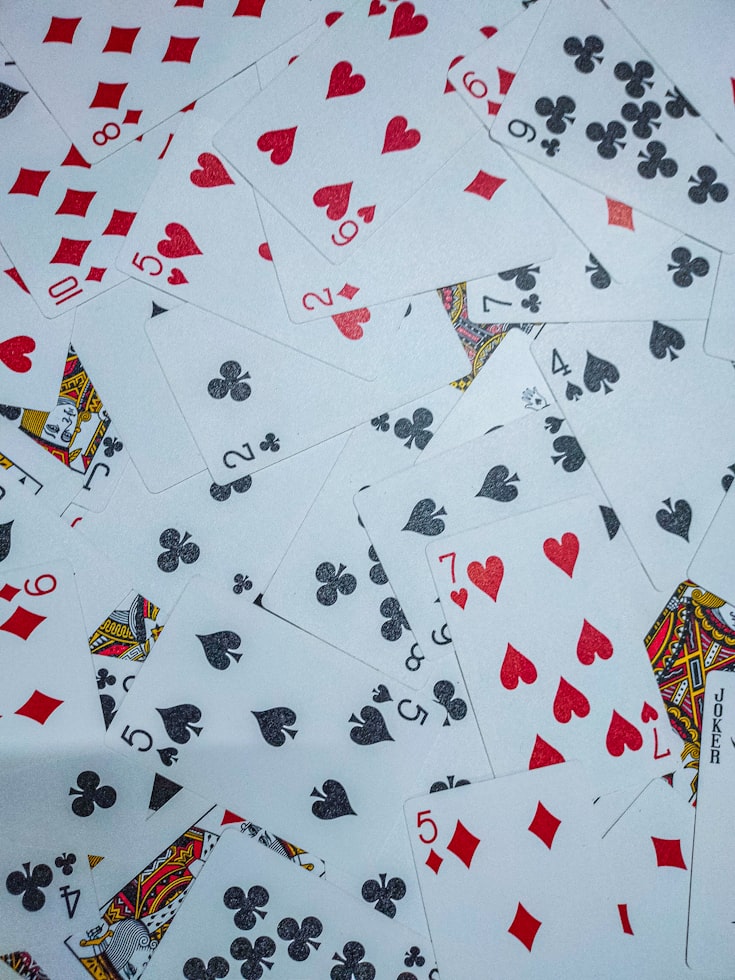
Conclusion: The Cultural Significance of Gambling Today
Gambling remains a culturally significant practice across societies, embodying a complex interplay of history, social dynamics, and technological advancements. From ancient rituals to modern online platforms, gambling reflects societal values and personal aspirations. Understanding these cultural dimensions is essential for appreciating the role gambling plays in contemporary life.
In exploring the rich tapestry of gambling culture, we uncover not only its historical significance but also its ongoing evolution in response to societal changes. By engaging with this multifaceted topic, we can gain deeper insights into human behavior and the societal impacts of gambling in our increasingly interconnected world.